
Japan Safe Blog
Japan Travel Safety Guide
Practical advice for earthquakes, typhoons, transport disruptions, and travel insurance — written for international travelers.
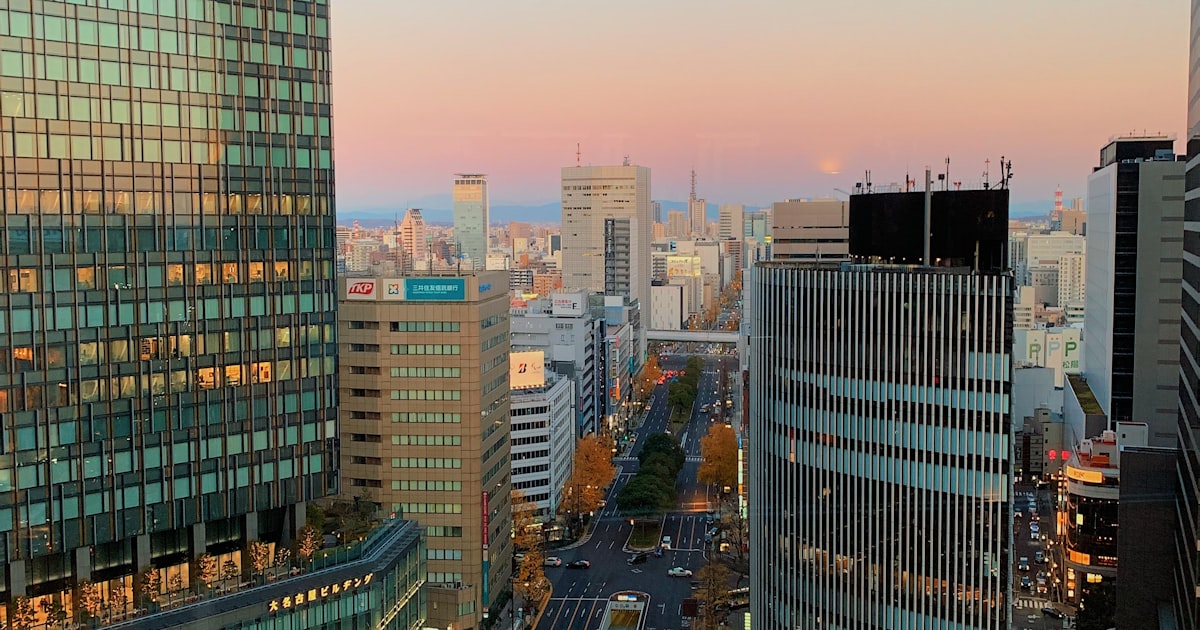
Earthquake in Nagoya — Nankai Trough Dual Threat, Ise Bay Tsunami & Underground Mall Escape
Nagoya sits at the intersection of two independent earthquake threats — the Nankai Trough (M8-9, 70-80% probability within 30 years) and the historical Tokai fault zone. When a tsunami reaches the port via Ise Bay, it arrives 90-120 minutes after the shaking — long enough to evacuate, short enough to be fatal if you ignore it. Here is what to do at every major tourist spot.
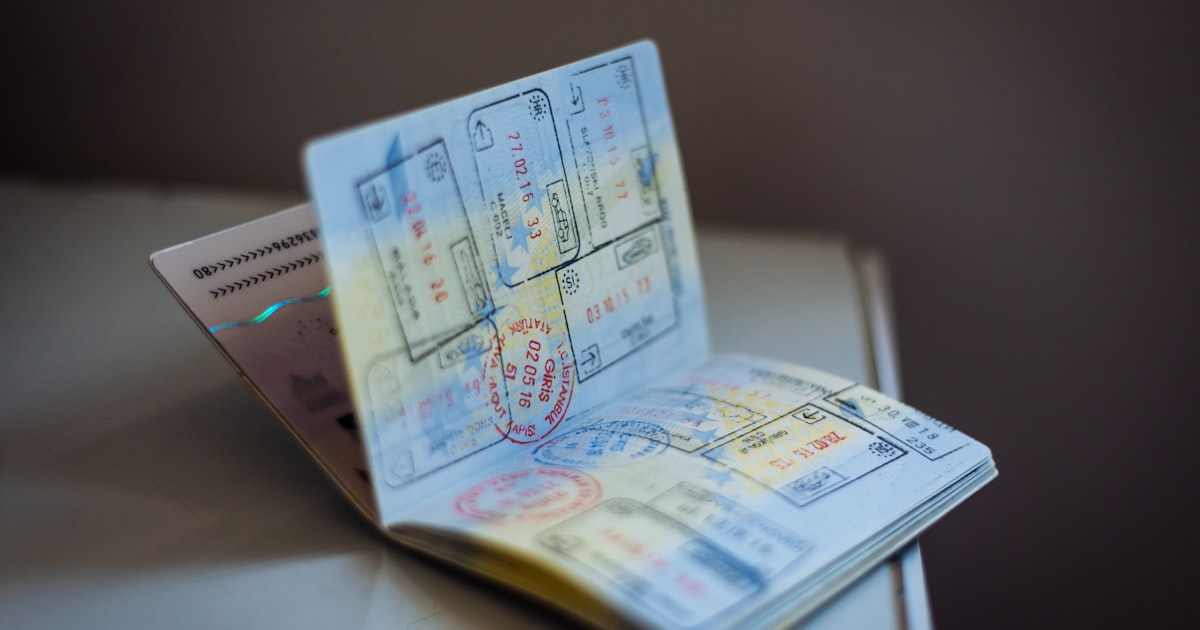
Japan Travel Insurance — Does Your Policy Actually Cover Earthquakes?
Most standard travel insurance policies list earthquakes, tsunamis, and other natural disasters as standard exclusions. If you are visiting Japan without a natural disaster rider, a single earthquake injury or cancelled flight could leave you with tens of thousands in uncovered costs. Here is what to check before you go.
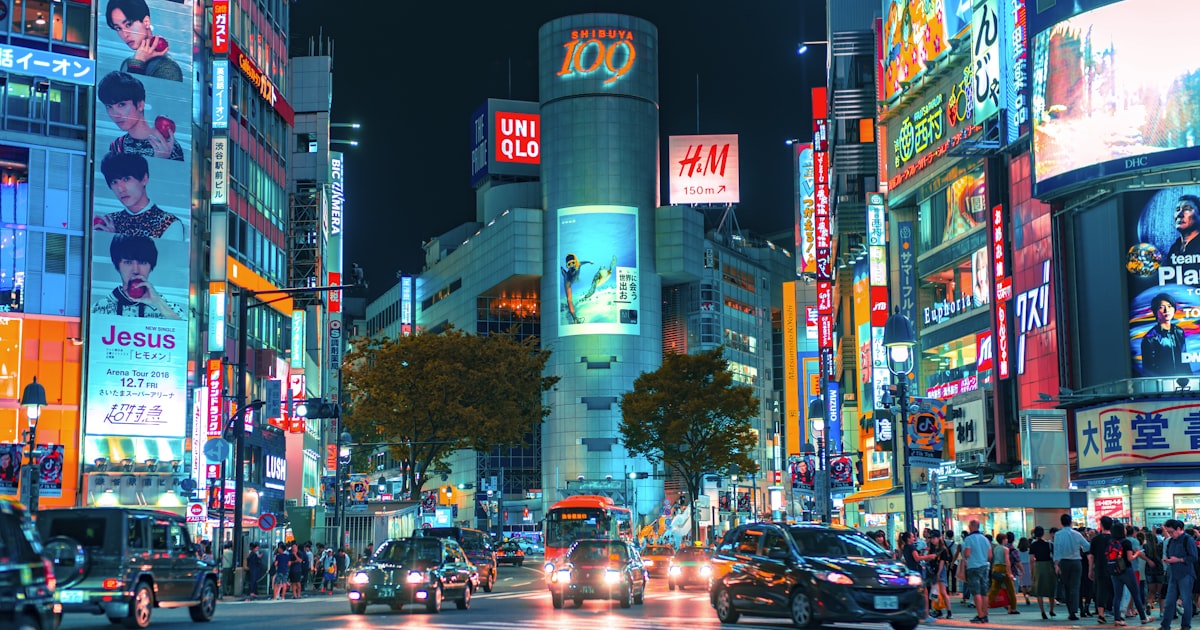
Japan Disaster Guide — Earthquakes, Tsunamis & Typhoons for Travelers
Three different natural disasters, three different response protocols. Japan's earthquake, tsunami, and typhoon risks each require distinct action — and typhoon season alone cancels more tourist travel plans than earthquakes do. This guide covers all three in one place.
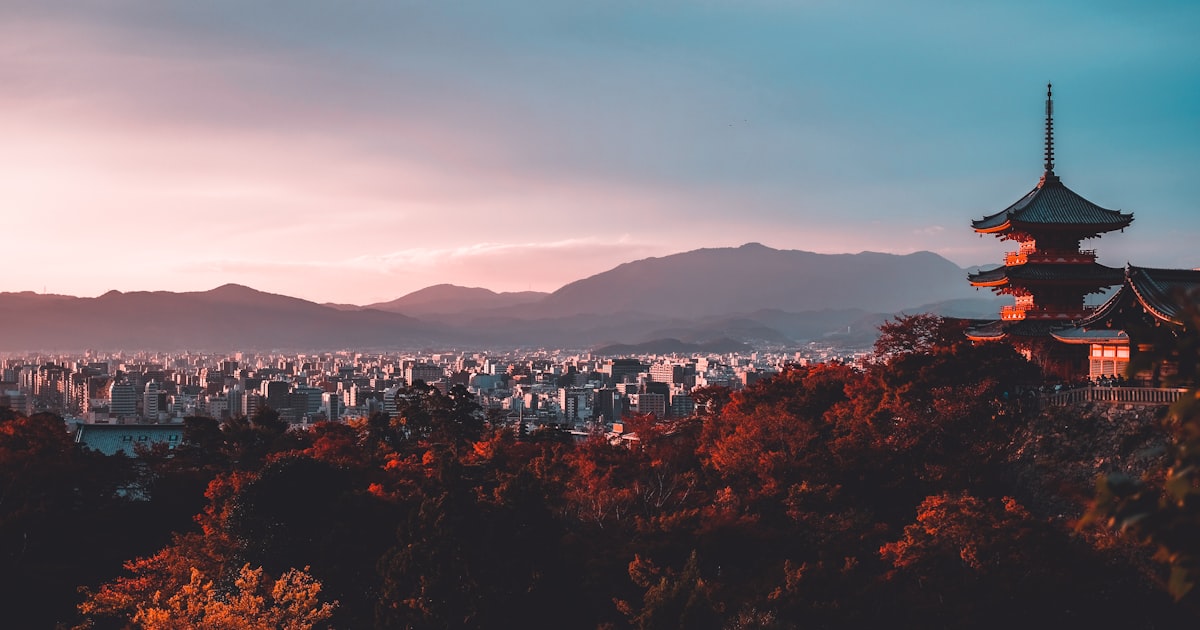
Earthquake in Kyoto — Hanazore Fault, Timber Heritage Fires & Narrow Escape Routes
Kyoto has no tsunami risk — but its thousand-year timber buildings, fire-prone alleyways, and a fault capable of M7.5 running beneath the city create dangers unlike anywhere else in Japan. Here is what to do at every major tourist spot.
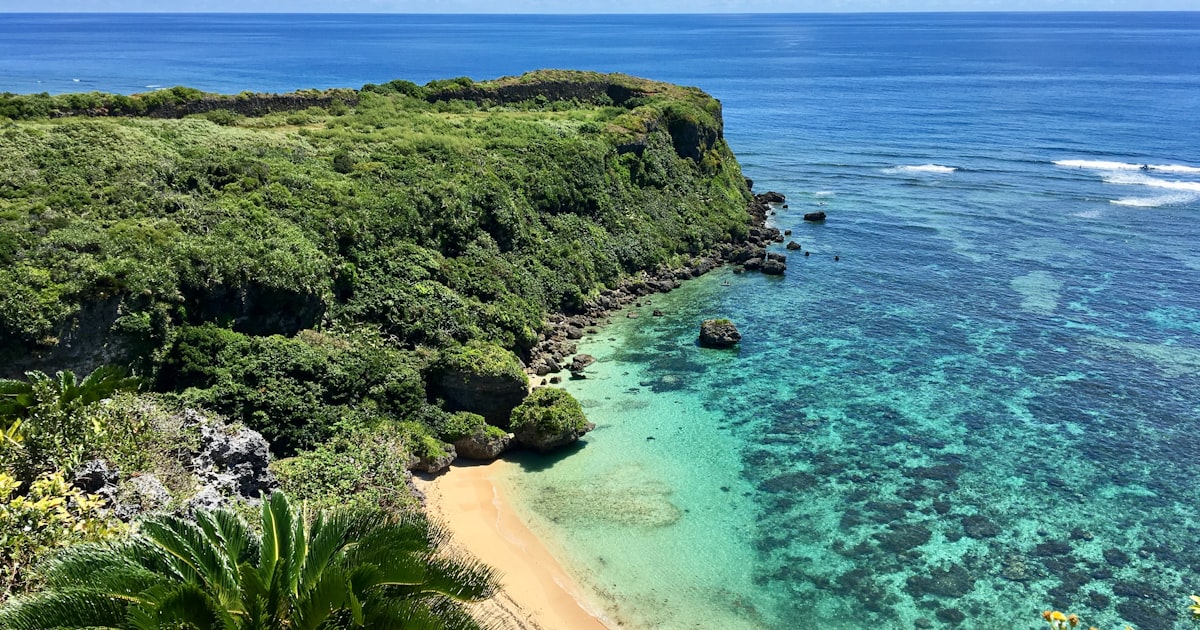
Earthquake in Okinawa — Ryukyu Trench Tsunami, Island Isolation & Water Sports Risks
Okinawa sits beside the Ryukyu Trench. In 1771, a tsunami with waves up to 30 metres killed around 13,000 people across the islands. A similar event today would give coastal areas 5 to 15 minutes of warning — or less. Here is what every traveller needs to know.
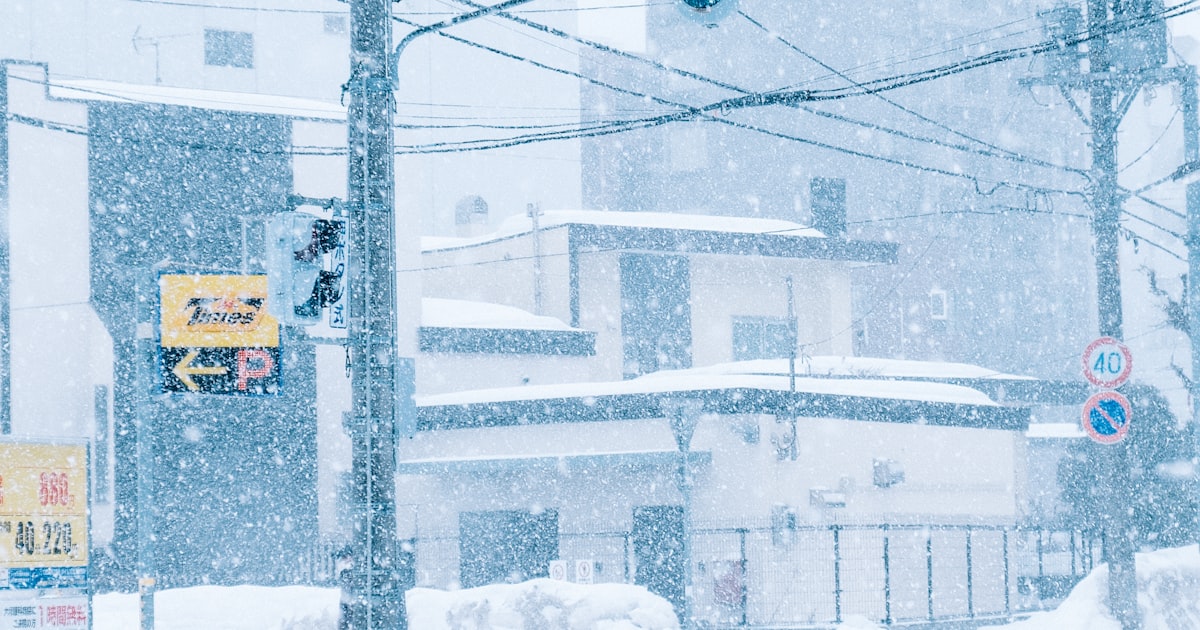
Earthquake in Sapporo — The 2018 Hokkaido Blackout, Winter Compound Disasters & Liquefaction
In 2018, a M6.7 earthquake triggered Japan's largest ever power blackout — 2.95 million homes lost electricity across Hokkaido for up to 45 hours. Sapporo's winter conditions and soft ground add risks no other major Japanese city shares. Here is what to do at every major tourist spot.

Non-Refundable Hotel in Japan — How to Cancel Without Paying Fees During a Disaster
Earthquake or typhoon hit Japan during your trip? Even non-refundable bookings can be waived under Force Majeure. Here is the exact procedure — per platform — that maximises your refund.
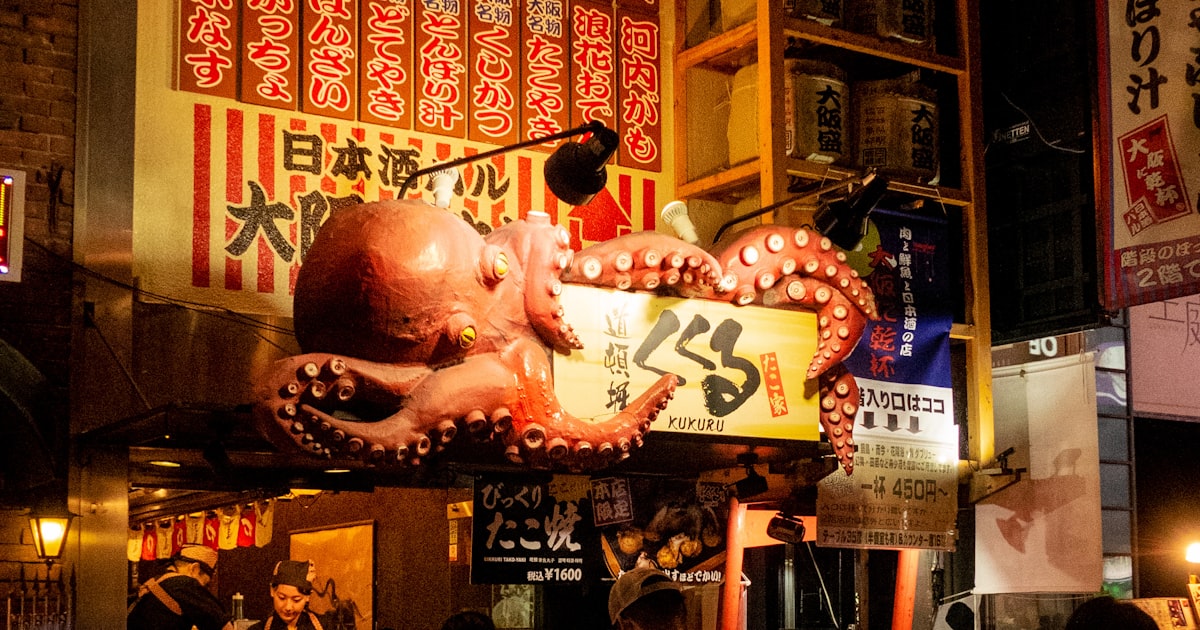
Nankai Trough — What Japan's Official Simulation Says About Osaka Tsunami Risk
Japan's Cabinet Office modelled a worst-case M9.1 Nankai Trough earthquake. Here is what the official data shows about tsunami arrival times in Osaka, which districts flood, and what the 2024 emergency alert actually meant.
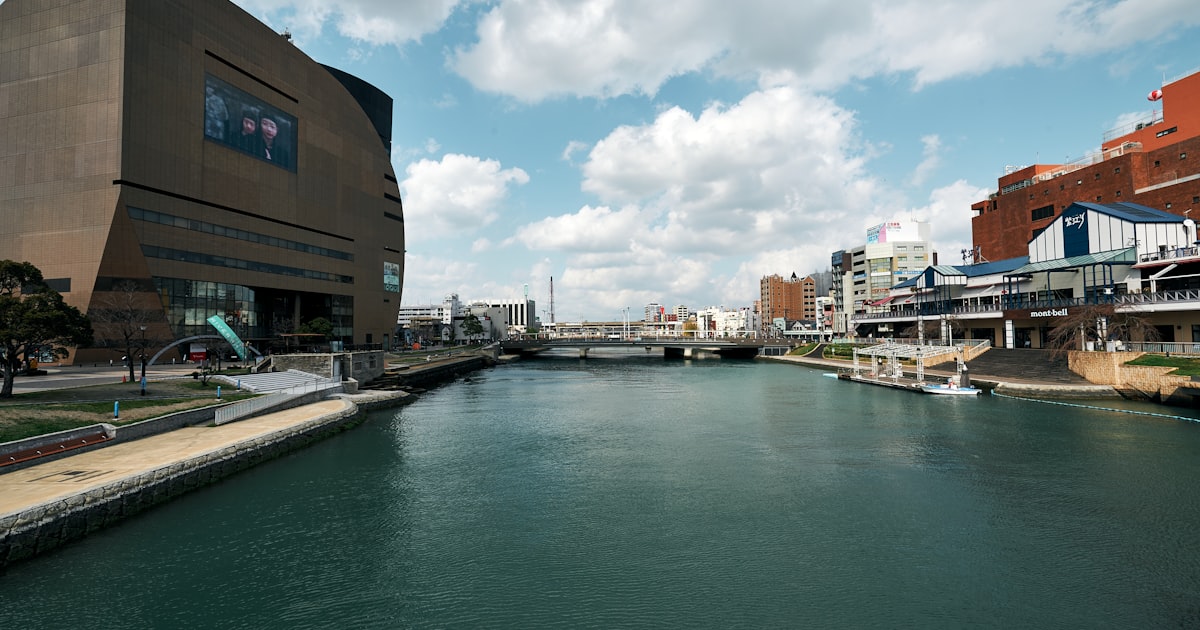
Earthquake in Fukuoka — Kego Fault, Nakasu Island Risk & Kyushu Typhoons
Fukuoka was long considered earthquake-free — until 2005. The Kego fault runs under the city centre, Nakasu is an island that can be cut off, and Kyushu sees more typhoon landfalls than any other region. Here is what to do at every major tourist spot.
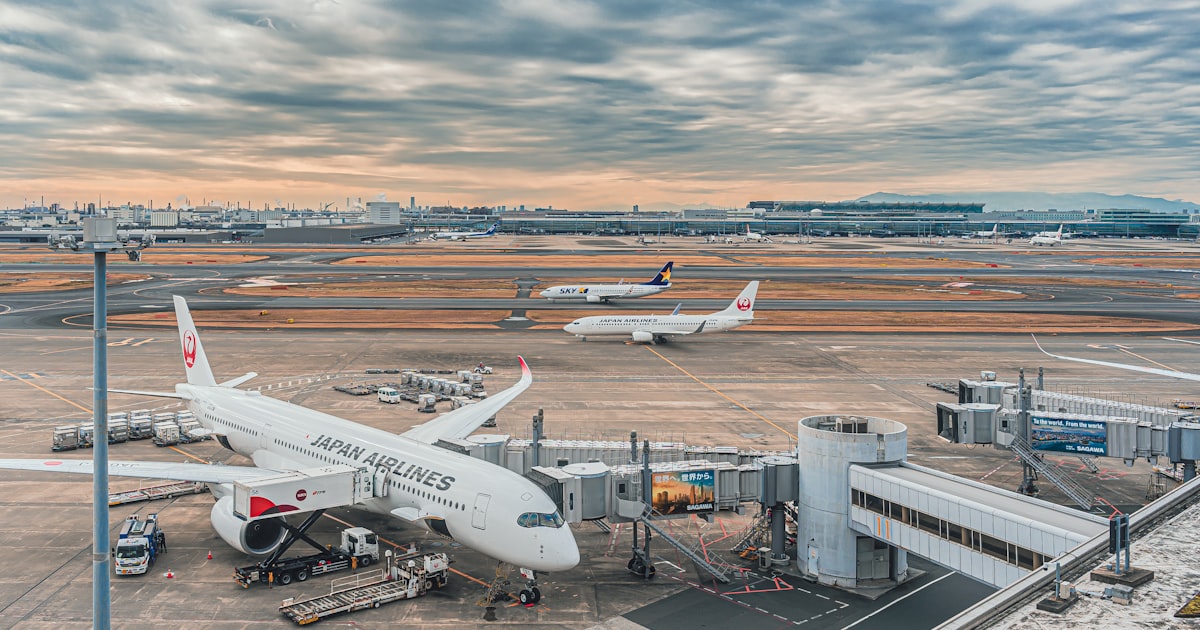
Earthquake in Japan — Your Flight Is Cancelled. What to Do Right Now.
Unlike a typhoon, an earthquake gives no warning. You are already at the airport when it happens. This guide covers exactly what to do — step by step — to get a refund, rebook, and get home.
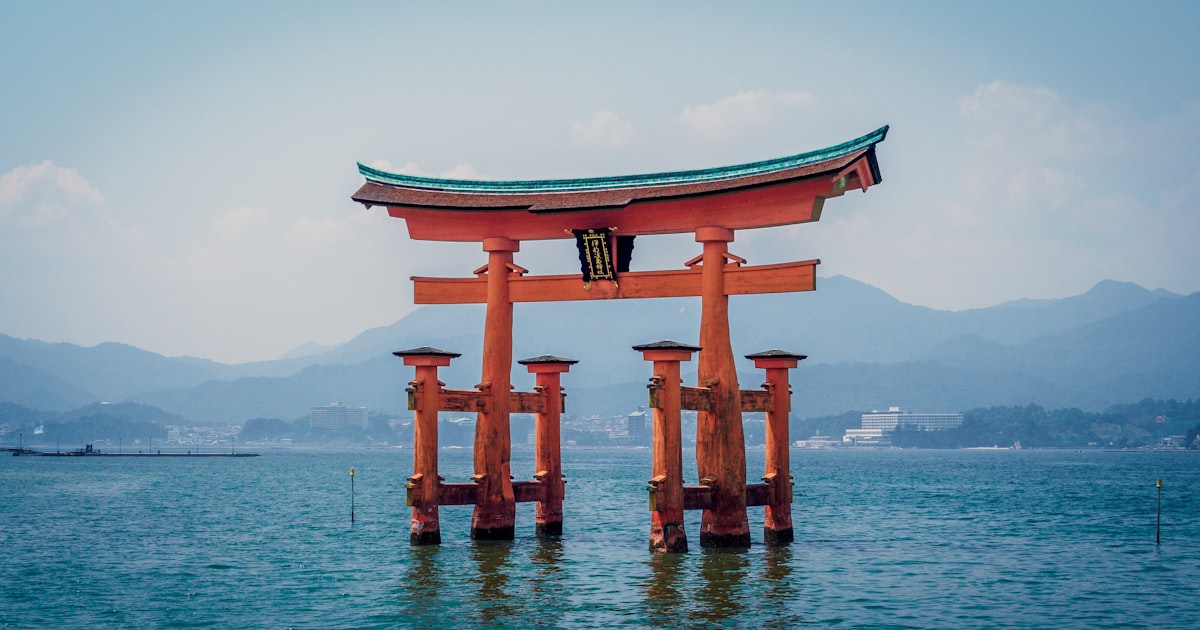
Japan Travel Insurance — Does Your Policy Actually Cover Earthquakes and Typhoons?
Most standard travel insurance policies exclude natural disasters. Here is exactly what coverage you need for Japan, what to check before you buy, and what to do if you need to make a claim.
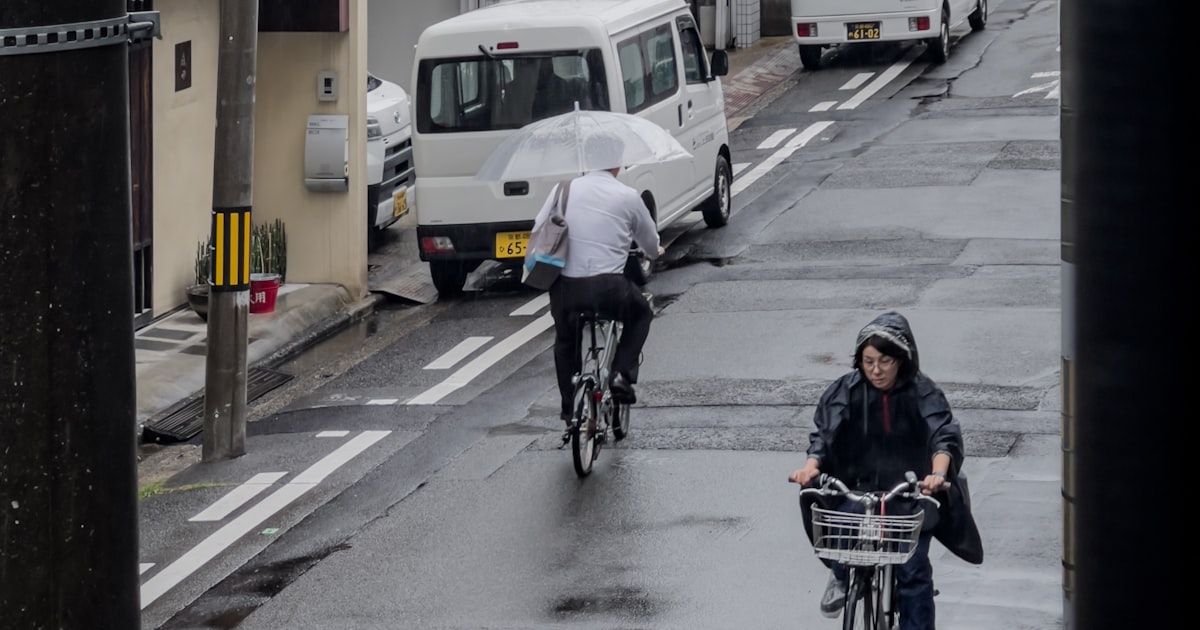
Typhoon Forecast for Japan — Should You Cancel Your Trip? 5 Criteria to Decide
A typhoon warning doesn't automatically mean cancel. Use these 5 objective criteria — JMA track, intensity, trip overlap, airline waiver, and destination — to make a rational decision before paying any cancellation fee.
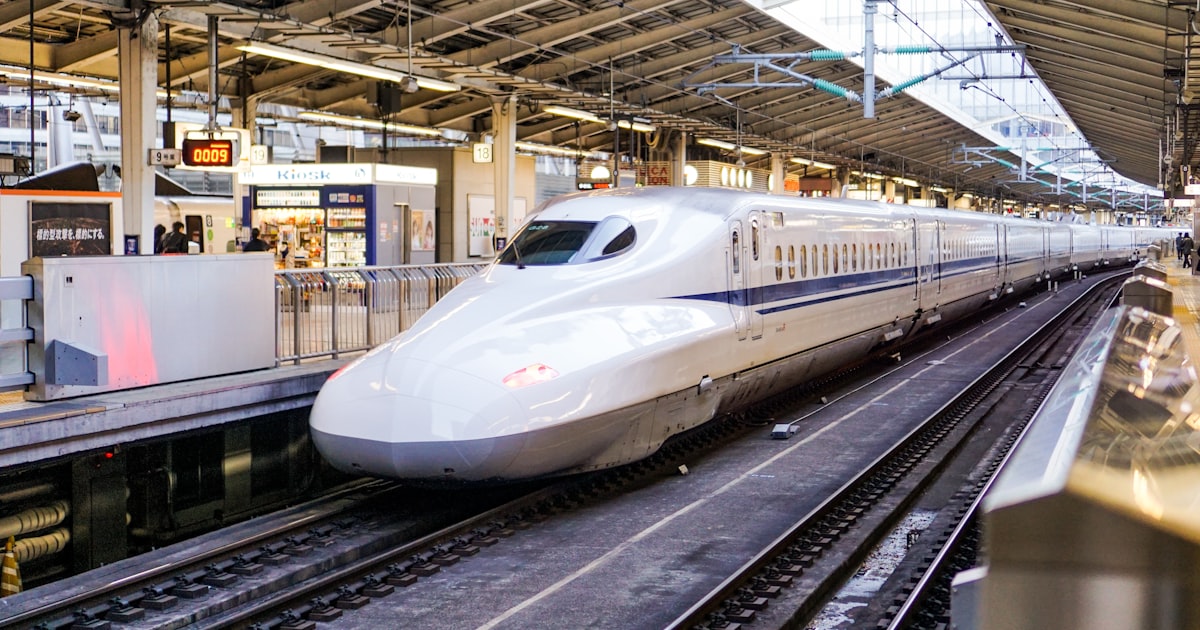
Typhoon in Japan — Shinkansen and Trains Suspended. What to Do.
Japan's railways stop based on wind speed thresholds, and Shinkansen suspension is announced the evening before. Here is how to check service status, get a refund, and what to do if you are stranded.
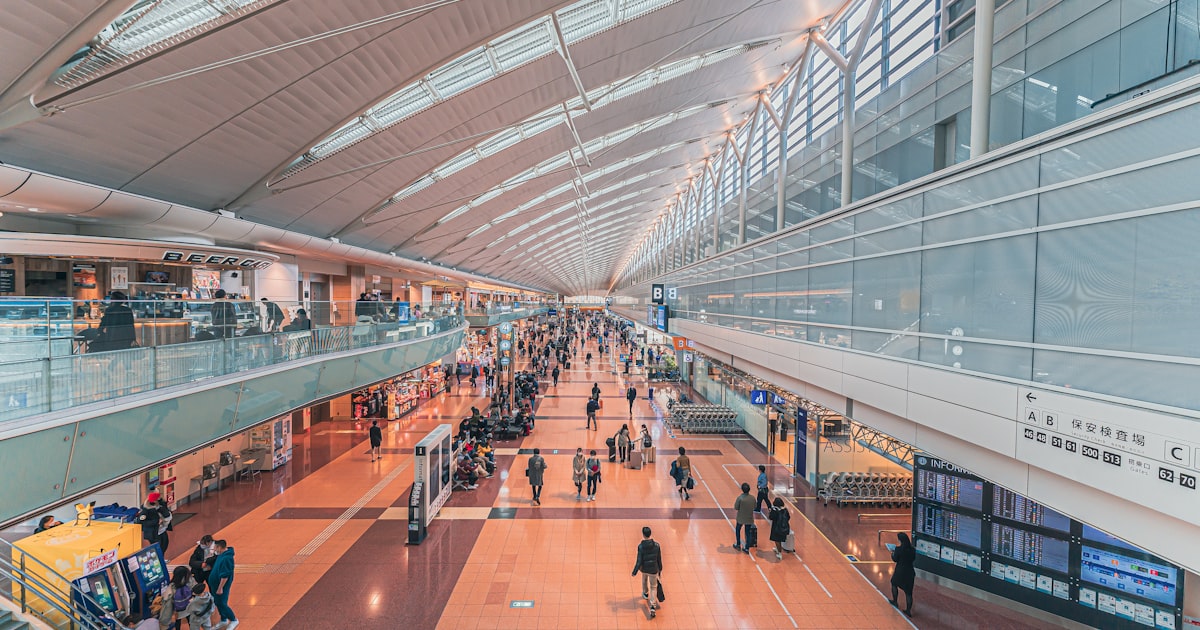
Typhoon in Japan — What to Do When Your Flight Is Cancelled
Typhoons give 3–5 days of warning. The single most important rule — do not cancel your own flight before the airline does. This guide walks you through refunds, alternative airports, and travel insurance step by step.
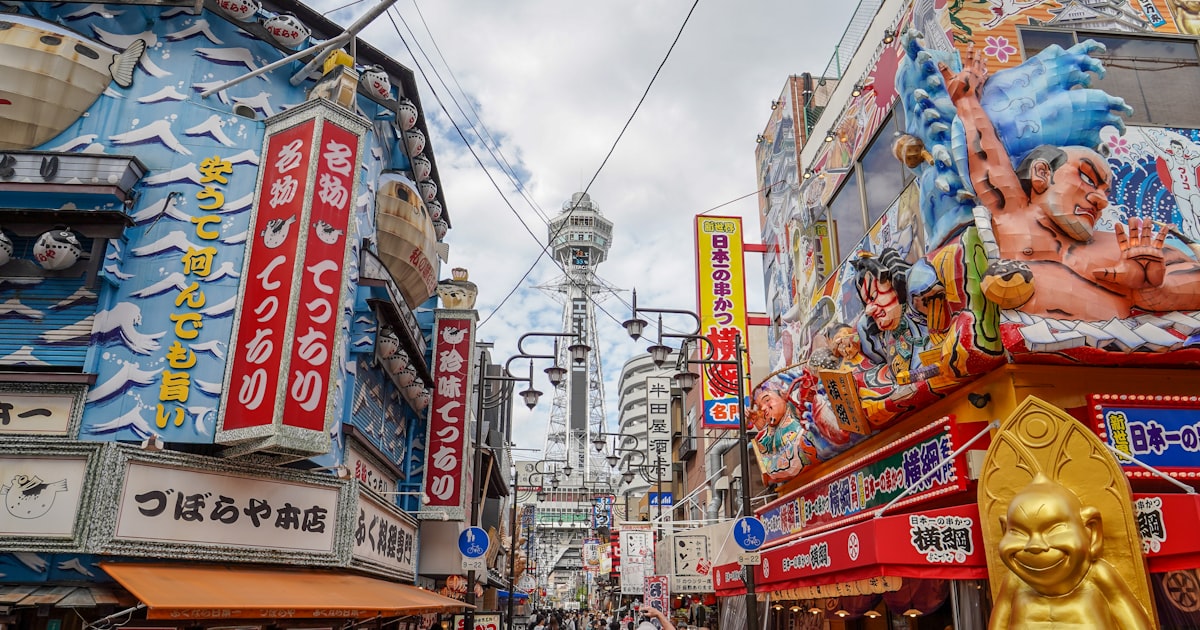
Earthquake in Osaka — Nankai Trough, Dotonbori Flooding & Underground Mall Risks
Osaka faces three earthquake risks that Tokyo does not — Nankai Trough tsunami, low-lying canal districts, and one of the world's largest underground shopping networks. Here is what to do at every major tourist spot.
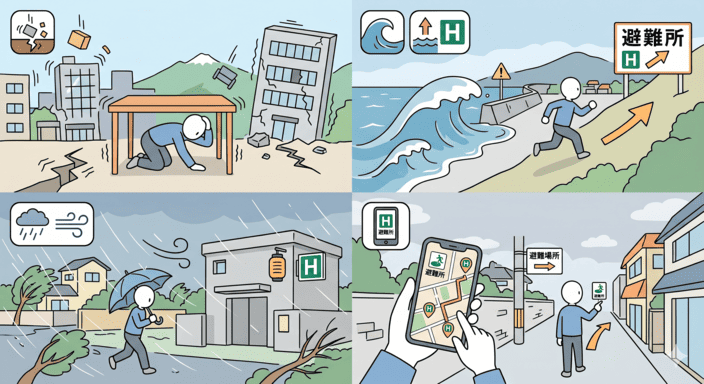
Earthquake in Tokyo — Neighborhood Risks & What to Do at Popular Sights
Tokyo's earthquake risk varies dramatically by district. Shitamachi's soft ground, Odaiba's liquefaction risk, and the 5.15 million stranded in 2011 — here's what every traveler needs to know.